On this page, you find a ton of information about Wingfoil Costa Brava. The Costa Brava, the stunning stretch of coastline nestled in northeastern Catalonia, Spain, is more than just a picturesque holiday destination. It’s a paradise for windsurfers, kiters and wingfoilers waiting to be explored. With its crystal-clear waters, diverse coastal landscapes, and consistent winds, Costa Brava has become a magnet for wingfoilers seeking the perfect blend of adventure and natural beauty.
It’s natural beauty, combined with its diverse wind conditions, makes it a premier wingfoiling destination. Whether you’re a beginner looking to learn or an experienced rider seeking adventure, Costa Brava has something for everyone. With its consistent winds and stunning locations, it’s no wonder that Costa Brava is gaining recognition as a top wingfoiling spot in Europe. Pack your gear, embrace the wind, and let Costa Brava’s coastal magic take your wingfoiling journey to new heights.
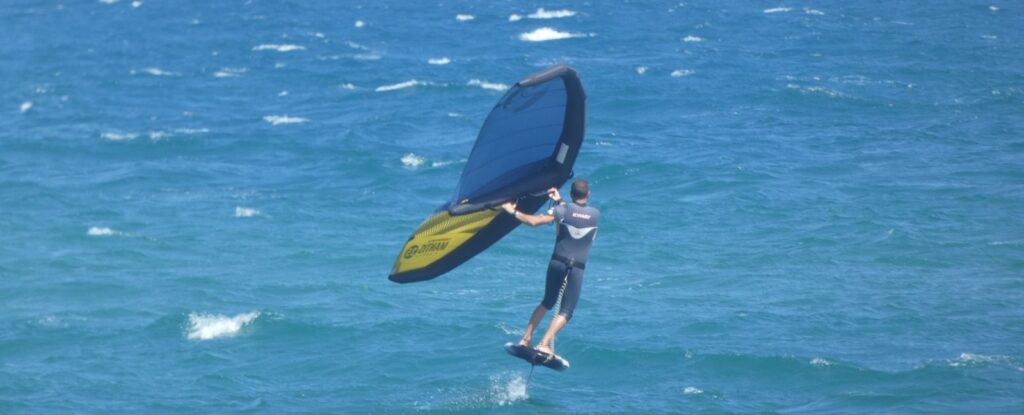
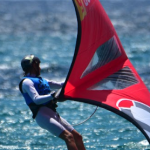
Great riding at the Costa Brava!
Where is the Costa Brava?
The Costa Brava is located at the eastern part of the North of Spain in the autonomous region of Cataluña. It stretches about 215 kilometers in the province of Girona, at the Mediterranean cost of Spain. The Costa Brava starts at Blanes and it ends in Portbou at the French border with Spain. It covers the regions of Alto Empordá, Bajo Empordá and La Selva. Important towns and beautiful beach destinations at the Costa Brava are Lloret de Mar, Tossa de Mar, Sant Feliu de Guixols, Palamos, Calella de Palafrugell, Begur, L’Escala, Sant Pere Pescador, Empuriabrava, Roses, Cadaqués and El Port de la Selva.
Can you wingfoil at the Costa Brava?
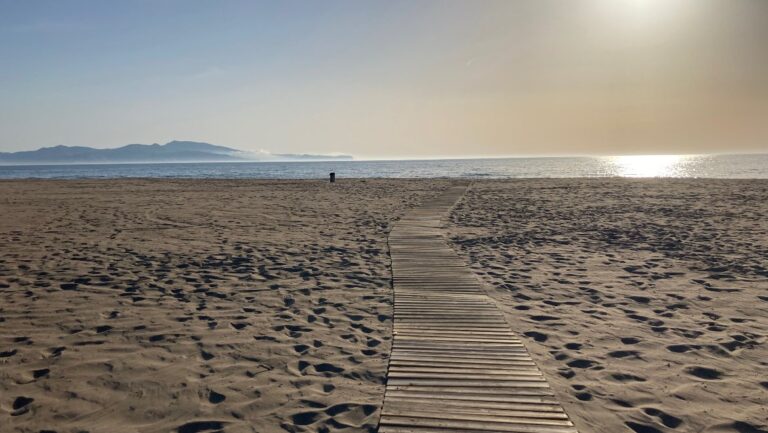
Most of the coastal towns in the region are good for watersports. However, some of them have a too rocky coast line and are not suitable for windsufing, kiting or wingfoiling. Others may be suitable for wingfoil at certain times, when the right wind comes in. An example of this is the town of Sant Feliu de Guixols and then specifically the bay “next door” called Platja de Sant Pol. This is where you find the beach of Sant Pol, which is a bit of a secluded bay, and if the wind is right, it’s quite a special experience to wingfoil there. The bay is truly beautiful and the thrill of riding your wingfoil equipment in such a beautiful bay is awesome.
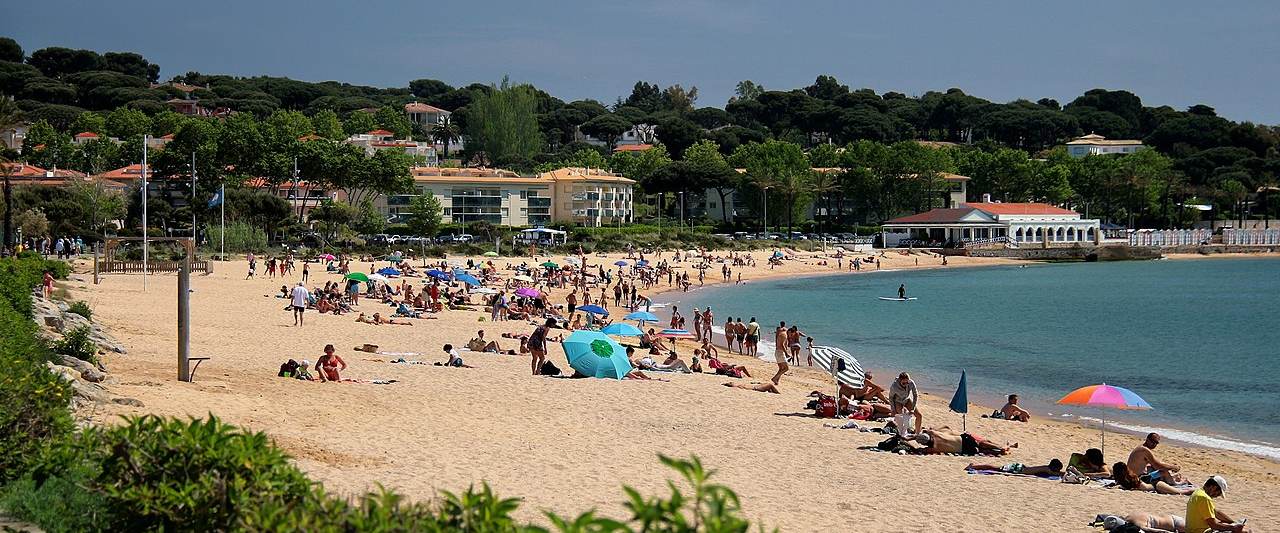
The bay of Sant Pol offers very scenic wingfoiling if the wind is right
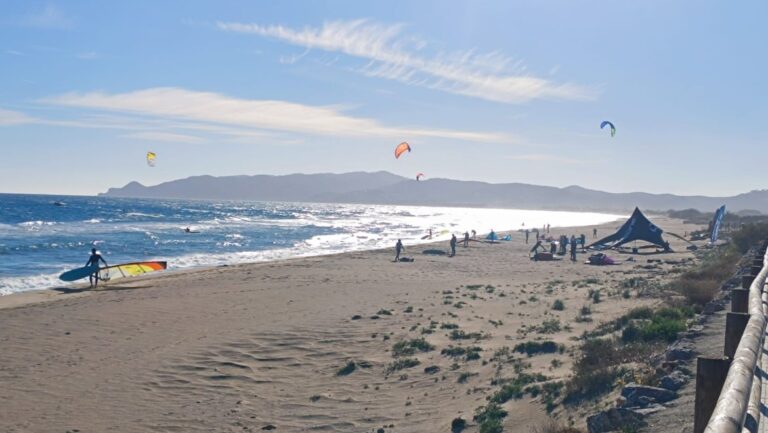
If your only objective is to wingfoil Costa Brava spots, there are very good spots as well. These are the spots where the beaches are big enough to have space to do your thing, to walk back if you drift downwind, and where the winds are very steady. After all, this is one of the windiest regions of Europe, which is why it has been a wind sport hot spots for decades.
Popular costa Brava wingfoil spots
- Port de la Selva
- Sant Pere Pescador (La Gola del Fluvia)
- Empuriabrava – La Muga
- Estartit
- Sant Antoni de Calonge
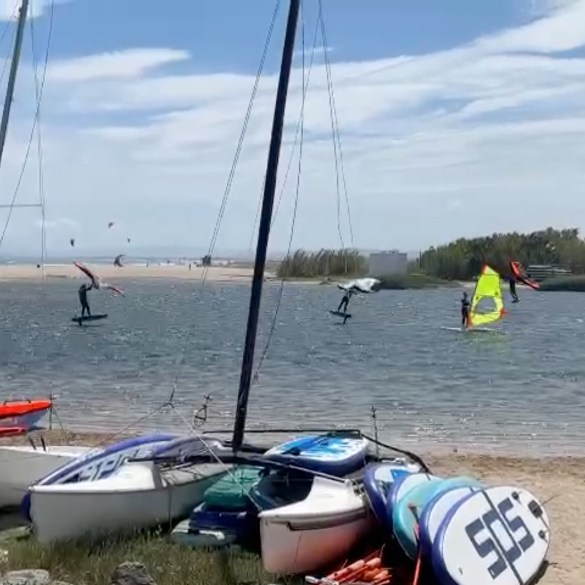
Sant Pere Pescador: Known as the wind capital of the Costa Brava, Sant Pere Pescador offers consistent Tramuntana winds and a vast sandy beach. It’s perfect for both beginners and advanced riders. The extensive shoreline ensures plenty of space for everyone. The spot is called La Gola del Fluvia, as it’s where the Fluvia river reaches the sea. more about wingfoil at Sant Pere Pescador.
La Muga: Located near Empuriabrava, La Muga is another gem with superb wind conditions. It’s where the Rio Muga enters into the Bay of Roses and creates a small flatwater lagoon. The flatwater lagoon is excellent for practicing new tricks. Find out more about wingfoil at Empuriabrava – La Muga.
Port de la Selva: For a more advanced experience, Port de la Selva offers challenging Tramuntana winds and access to the open sea. It’s where the thrill-seekers go to ride the waves and feel the rush of Costa Brava’s powerful winds. Read more about Port de la Selva wingfoil.
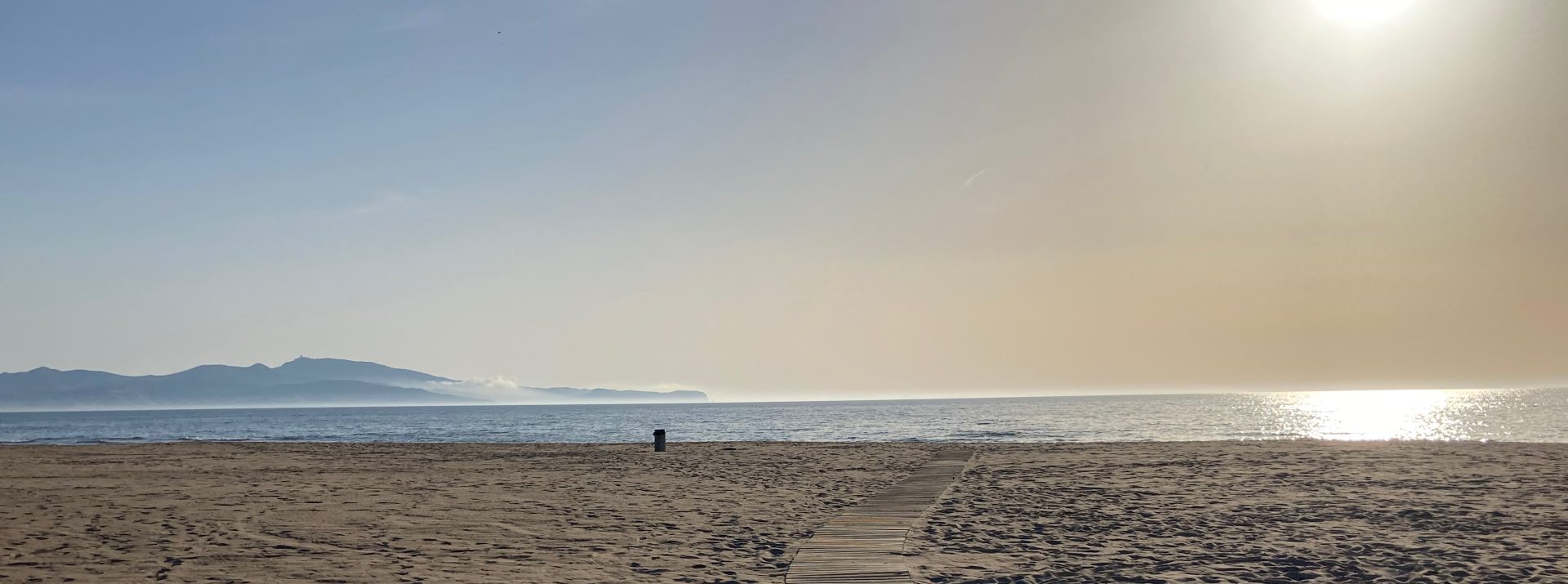
Wingfoil Costa Brava
What makes Wingfoil Costa Brava so good?
The wind conditions at this area of the northeast of Spain are excellent for long sessions on the water. That’s why the Spanish beaches around the bay of rosas, which are a big part of the Costa Brava, so popular amongst wind and water sports. Surfers, kiters and wingfoilers from all over the world come to the Costa Brava.
Wind conditions at the Costa Brava For many years, windsurfers and kiters from all over Europe have been coming to the Costa Brava. The consistent winds that start basically every day towards the end of the morning, are one of the reasons. Also the long beaches and warm Mediterranean waters are attractive. Since the birth of Wingfoiling as a new sport, the spot was adopted quickly by riders, too. For any wingfoiler, understanding wind conditions is paramount. Costa Brava offers a variety of wind patterns that cater to riders of all levels, making it a versatile destination.
- Tramuntana Winds: The star of the show in Costa Brava is the Tramuntana wind. This powerful, offshore wind blows from the north and northwest, typically from November to April. With its consistent strength and direction, Tramuntana offers ideal conditions for thrilling wingfoiling sessions. The winds can range from moderate to strong, allowing riders to choose their level of challenge.
- Garbi Winds: The Garbi, or southwest wind, is a gentle and warm breeze that graces the Costa Brava skies during the summer months. It provides excellent conditions for beginners and those looking for a laid-back wingfoiling experience. The gentle Garbi winds create calm, inviting waters, perfect for mastering your skills.
- Easterly Winds: From time to time, easterly winds, known as Levante, can also make an appearance. While less frequent, they offer unique opportunities for wingfoilers to explore different locations along the coast. These winds bring their own set of challenges, making them suitable for intermediate and advanced riders.
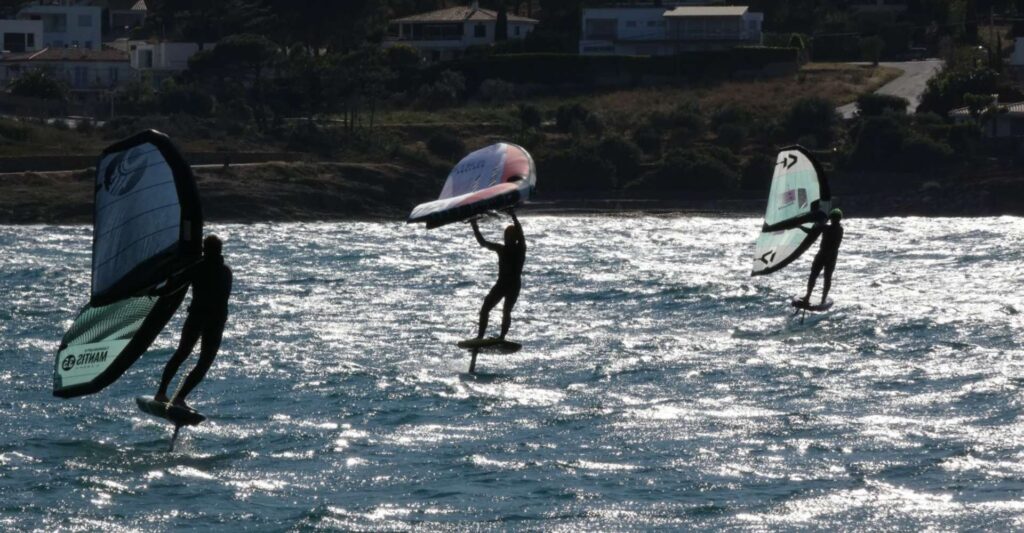
Port de la Selva is a favourite amongst locals
How to get there
Costa Brava’s accessibility is one of its many charms. Traveling to this wingfoiling haven is relatively straightforward.
The nearest major airport is Girona-Costa Brava Airport (GRO), which is well-connected to various European cities. Upon arrival, you can easily reach the coastal towns and wingfoiling spots by car or public transportation. You can also fly to Barcelona airport and drive up by car.
Renting a car is a convenient option, allowing you the flexibility to explore different locations along the coastline. Whether you’re arriving from nearby European cities or further away, Costa Brava’s accessibility ensures that your wingfoiling adventure can begin without any hassles.