
On this page we provide a high aspect and low aspect foil guide. An important part of your wingfoil quiver is the set of foils you have. The choice between a high-aspect and low-aspect foil depends on your riding style, skill level, and the prevailing wind conditions in your area. High-aspect foils excel in speed, efficiency, and upwind performance, while low-aspect foils prioritise stability, manoeuvrability, and ease of use. Experienced riders may prefer the high-aspect foils for maximising performance, while beginners and those seeking a more playful experience might lean towards low-aspect foils for their forgiving nature.
High aspect and low aspect foil guide: understanding aspect ratio
When we talk about the High aspect and low aspect foil guide, we mean the aspect ratio of the wing on your foil. This says something about the proportion of the wing. Aspect ratio is a numerical value that defines the wing’s shape in wingfoiling. It represents the relationship between the wingspan and the chord length. Aspect ratio is calculated by dividing the wingspan by the chord length. A high aspect ratio indicates a longer, narrower wing design. High aspect foils offer more speed and efficiency in wingfoiling. A low aspect ratio implies a shorter, wider wing configuration. Low aspect foils provide greater stability and maneuverability. Aspect ratio affects lift, drag, and overall performance in the water. Longer wingspan and narrower chord create higher aspect ratios. Aspect ratio influences wingfoiling characteristics, making it an essential consideration in foil selection.

Low aspect
Beginner wingfoilers typically tend to ride on boards with quite some volume and a low aspect wing. As you see on this picture.
High aspect
Advanced wingfoilers may prefer high aspect foils, as they prioritise speed and agility.

What is a low aspect foil?
In contrast, a low-aspect foil has a shorter and wider wing design. The wingspan is shorter, and the chord is wider, resulting in a lower aspect ratio.
Low aspect foils have properties that lean towards stability, ability to make turns, perform well in light winds and lower speed. Using a low aspect foil is a great way to start to get on the foil for beginners.
- Stability: Low-aspect foils generally provide greater stability due to their wider wing design. They are often favored by beginners or riders who prioritize stability and ease of use.
- Maneuverability: The shorter wingspan of low-aspect foils enhances their maneuverability and agility. They offer a more playful and responsive feel, making them suitable for riders who enjoy dynamic carving and turns.
- Light Wind Performance: While high-aspect foils are more efficient in light winds, low-aspect foils can perform well in lighter conditions as they have a higher lift threshold, allowing riders to take off in lighter breezes.
- Top Speed: Low-aspect foils may not achieve the same top-end speed as high-aspect foils, but they provide a more controllable and forgiving experience, particularly in gusty or challenging wind conditions.
What is a high aspect foil?
A high-aspect foil refers to a wingfoil foil with a longer and narrower wing design. The wingspan of a high-aspect foil is greater, while the chord (the distance between the leading and trailing edges of the wing) is narrower. This creates a higher aspect ratio, which is the ratio of the wingspan to the chord length. High aspect foils can help you make longer flights.
Characteristics of high aspect foils are speed, efficiency, upwind performance and the tendency to go straight forward.
- Speed: High-aspect foils are known for their higher top-end speed potential. The longer, narrower wings reduce drag and allow for efficient gliding through the water, making them ideal for achieving higher speeds.
- Efficiency: Due to their reduced drag, high-aspect foils are more efficient, especially in lighter wind conditions. They require less power from the wing to generate lift, making them suitable for riders who want to maximize their range and extend their rides.
- Upwind Performance: High-aspect foils tend to have better upwind performance, allowing riders to make progress against the wind more easily. Their efficient design enables them to point higher into the wind, making them a preferred choice for wingfoilers in areas with light and gusty winds.
- Maneuverability: While high-aspect foils excel in straight-line speed and efficiency, they may be slightly less maneuverable compared to low-aspect foils. Their longer wingspan can make turning and carving feel more locked-in and less agile.
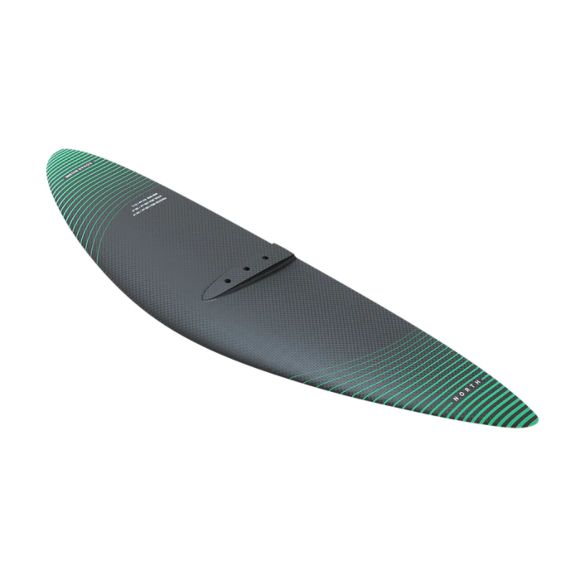
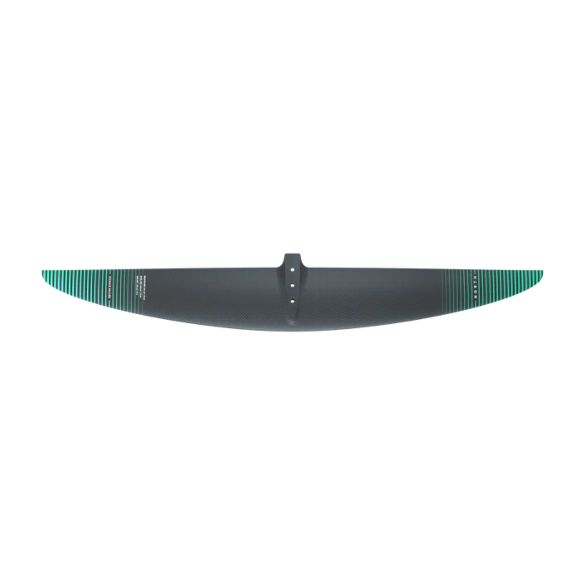
Below images show three wings by NORTH, from low aspect to high aspect foil.

6 reasons on how to choose between high aspect and low aspect foil
Beginner wingfoilers
As a beginner in wingfoiling, a low aspect foil is generally more suitable and recommended. Here’s why:
- Stability: Low aspect foils offer greater stability due to their wider wing design. As a beginner, you’ll appreciate the added stability, which helps you maintain balance and control during your initial rides.
- Forgiving Maneuverability: Low aspect foils are more forgiving when it comes to turning and carving. Their shorter wingspan provides a playful and responsive feel, allowing you to practice carving turns with ease.
- Easy Takeoff: Low aspect foils have a higher lift threshold, meaning they can lift off at lower speeds compared to high aspect foils. This makes it easier for beginners to take off and get on the foil.
- Learning Progression: Using a low aspect foil allows you to focus on mastering the fundamental skills of wingfoiling without feeling overwhelmed by excessive speed or instability.
- Versatility: Low aspect foils perform well in a wide range of wind conditions, making them more versatile for beginners who may be exploring different water conditions.
- Safety: The added stability and forgiving nature of low aspect foils can enhance safety, reducing the likelihood of sudden falls or accidents while learning.
While low aspect foils are recommended for beginners, keep in mind that individual preferences and learning curves may vary. As you gain experience and confidence in wingfoiling, you may eventually choose to explore high aspect foils to enjoy the increased efficiency and speed they offer. Starting with a low aspect foil allows you to build a strong foundation in wingfoiling, making your learning journey more enjoyable and successful.
Once you want to move from beginner to advanced gear, a higher aspect foil may be part of your process. This high aspect and low aspect foil guide aims to make your choices easier. See more equipment tips here.
Advanced wingfoilers
As an experienced wingfoiler or an intermediate/advanced rider, you might prefer a high aspect foil for the following reasons:
- Speed and Efficiency: High aspect foils are designed for speed and efficiency. Their longer, narrower wings reduce drag, enabling you to achieve higher top-end speeds during wingfoiling sessions.
- Extended Range: High aspect foils are more efficient in lighter wind conditions. With their ability to generate lift with less power from the wing, they can provide longer rides and increased range in variable wind conditions.
- Upwind Performance: High aspect foils excel in upwind performance, allowing you to make progress against the wind more effectively. This can be beneficial in locations with light and gusty winds or when navigating challenging upwind angles.
- Performance-Oriented Riding: If you enjoy high-performance wingfoiling and seek a more dynamic and responsive ride, a high aspect foil can provide the precision and agility needed for aggressive maneuvers and turns.
- Technical Riding: High aspect foils are favored by riders who want to explore technical aspects of wingfoiling, such as pumping efficiently to maintain speed and glide across the water.
- Personal Preference: Experienced wingfoilers may develop a preference for high aspect foils based on their riding style, local wind conditions, and personal objectives in the sport.
It’s essential to note that choosing a high aspect foil requires a certain level of skill and experience in wingfoiling. High aspect foils may be less forgiving and require more precise handling compared to low aspect foils. If you’re considering transitioning to a high aspect foil, make sure you are comfortable with your current foil and have honed your fundamental wingfoiling skills. As with any gear selection, individual preferences and riding style will play a crucial role in the decision-making process.


